CONTACT: Sarah Folzenlogen, Leave No Trace Center for Outdoor Ethics
303/442-8222
Sarah@LNT.org
Leave No Trace Center for Outdoor Ethics Selects Inaugural Hot Spot to Raise Awareness for Areas with Critical Recreational Impact
Designates Red River Gorge in Kentucky as First “Hot Spot”
Boulder, Colorado (May 12, 2010) – The Leave No Trace Center for Outdoor Ethics (The Center) today announced the selection of its first “Hot Spot”, as part of an initiative to raise awareness for areas impacted by recreational use. Seeking to make a difference nationwide, The Center created the Hot Spot Program as a public call to action in which individuals, land managers, and communities can rally for support from Leave No Trace to protect their local recreational resources. The Center will assess nominated areas and select two sites in 2010 as the recipient of programs to reduce impact and increase awareness of how to enjoy the outdoors responsibly.
To kick-off the initiative, The Center designated the Red River Gorge, a National Natural Landmark managed by the USDA Forest Service, as its first “Hot Spot”. The Leave No Trace Center for Outdoor Ethics will assist land managers at the Red River Gorge, and future designated Hot Spots, to reduce recreation-related impact through outreach and education, and collaborating locally with motivated individuals, groups, non-profit organizations, and governmental agencies.
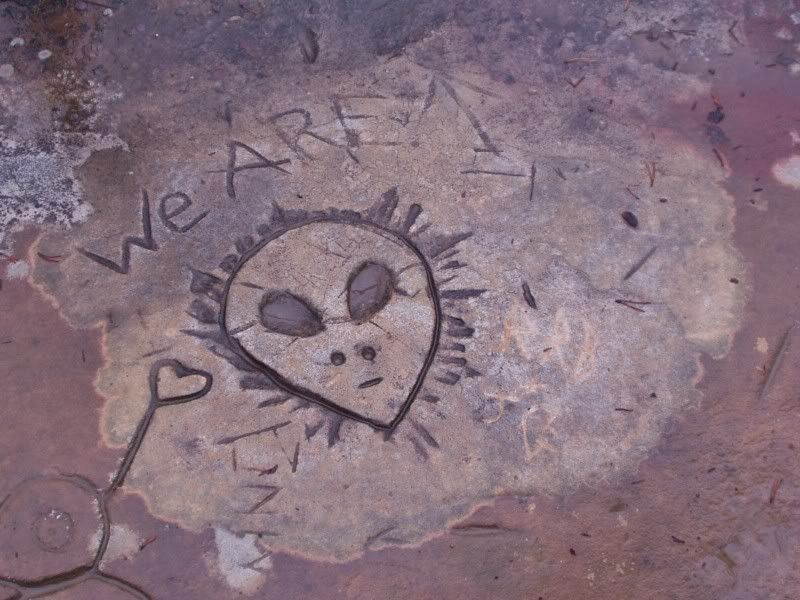
Located in eastern Kentucky near several urban areas, the Red River Gorge is home to high sandstone cliffs, waterfalls, natural stone bridges and arches, enjoyed by countless hikers, rock climbers, and recreational users. Much of the Gorge is located within the Daniel Boone National Forest and is managed to protect its watersheds, wildlife, archaeological resources, and spectacular geologic features. The Center chose the Red River Gorge as a Hot Spot due to several recreation-related impacts including litter, trail erosion, damage to vegetation, and vandalism of property, natural features, and cultural/heritage sites within the Gorge.
The Red River Gorge was recently the focus of an intense planning effort known as the Limits of Acceptable Change process (LAC). The LAC process brought together a diverse group of concerned citizens that worked together with the Daniel Boone National Forest to chart a course toward improving the condition of the Red River Gorge. The need for increasing the effectiveness of Leave No Trace education was an important focal point of this group.
In many recreational areas impact is often a result of unintentional harm to the environment, or due to a lack of knowledge and skills of how to conserve wild places. The Center currently implements programs and initiatives to educate recreationists on how to prevent unintended impacts and protect natural resources. The Hot Spot program will select areas in need depending on a variety of recreational impact criteria.
As the scope of work at Red River Gorge begins to take shape, The Center will publicize volunteer opportunities, upcoming events and trainings as well as ways the public can get involved.
For questions about the program or for more specific information, please contact hotspots@LNT.org, call 1.800.332.4100 or visit http://lnt.org/01_community/hotspots.php
About the Leave No Trace Center for Outdoor Ethics
The award-winning Leave No Trace Center for Outdoor Ethics is the international leader in sustainable recreation practices. The nonprofit organization teaches children and adults vital skills to minimize their impacts when they are outdoors. Leave No Trace is the most widely accepted outdoor ethics program used today on public lands across the nation by all types of outdoor recreationists. For more information about Leave No Trace, visit: www.LNT.org.




 Posts
Posts


