Showing posts with label invasive species. Show all posts

Sunday, May 6, 2012

Minnesota Summertime

A Minnesota Sunset
While the e-tour rolls into Minnesota and the start of summer there, which can mean only one thing -- flat water canoeing. Canoeing is a great way to enjoy the lakes region of the U.S. and Canada, so if you're packing up and heading out to a chain of lakes this summer, here are a few Leave No Trace tips for your paddling:

  • Wear great boots -- Trails between lakes are, because of the fact that they go between lakes, much more likely to be muddy than usual trails. So make sure you have great boots so you can tromp right through that mud and protect the vegetation and habitat on either side of the trail.
  • Don't crash into shoreline -- Give both the landing and your boat a break by wet-foot portaging. In this technique, you slow the boat and use your feet to stop it before it crashes into rocks and landing, avoiding damaging them and keeping from making that big old crashing sound. Hop out in the water to unload the boat and throw it up on your shoulders for that hike over.
  • Check fire regulations -- Just because your around water doesn't mean you can get careless with your fire building. When you set off on a backcountry paddle, check the current fire regulations before you go and keep them in mind throughout the trek. If you start with a fire ban on your permit, it's a fire ban throughout your trip even if it rains or weather conditions change.
  • Check your boat for invasive species -- Just like it's important to clean your boots before a backpacking trip, if you're moving your boat from one area to another you should check it for invasive species. Check in with boat permitting offices for the most up-to-date information about invasives and stop aquatic hitchhikers!
We're excited to be in Minnesota right at the start of the season and are looking forward to getting some paddling in ourselves! So enjoy the North Woods & Leave No Trace!

Paddle or Portage?

Quinn & Frank

Monday, October 25, 2010

Tree Killing Pest


Photo courtesy of Patricia Douglass, USDA APHIS-PPQ

By now, you’ve probably heard a lot about the issue of invasive plants getting accidentally spread by outdoor equipment like dirty boots. And hopefully, you are aware of the issues surrounding water based invaders- things like zebra mussels- being accidentally brought to new bodies of water on contaminated fishing gear or boats. So I’m guessing you will easily connect the dots when I tell you about another way that outdoor enthusiasts need to minimize the chance that they spread invasive forest pests and diseases- by making sure not to move firewood when you travel.

It seems like a funny thing at first- wouldn’t it be best to bring wood with you to the frontcountry campsite, so you don’t deplete the natural wood on site? And yes, that is one part of minimizing your impacts. But the catch is that supplying your own firewood good idea only if the firewood is from a very local source, or alternatively treated at a high heat (like kiln dried). If the wood isn’t local, you could be bringing in a new tree killing pest- whether a non-native pest (like the emerald ash borer, or Asian longhorned beetle) or even a native pest that simply doesn’t normally occur in that specific location (like mountain pine beetle). And so your actions could end up killing millions of trees.

Firewood isn’t really dead, and it sure isn’t sterile. A cut piece of wood can carry thousands of insect eggs, millions of fungal spores, or even just a single adult insect filled with eggs ready to lay. Just looking at a piece of wood will tell you nothing about if it could start a pest infestation- these things are often invisible to the naked eye. All firewood should be considered potentially contaminated.

So what’s the answer? Like so many aspects of leaving no trace, you have different answers depending on where you are, and what you are doing.

  • If you are reading this, and looking out of your back porch in horror at a pile of wood you collected 200 miles away, burn it soon, burn it completely, and take care to rake up any bark or other debris and burn them too. The carbon you waste and release in this bonfire will be nothing in comparison to the potential millions of acres of dead and dying trees you could cause.
  • Planning your next trip? Are you willing to skip the campfire and go with a campstove? That’s the best option.
  • Can’t bear skipping the campfire and want to plan ahead? Call someone local (ranger station, campground manager) and find out who has locally cut wood in the area for sale. If the wood is local, it isn’t an invasive species threat.
  • If it is legal, and wood is plentiful, consider a smaller fire with only hand gathered wood. Make sure this is a responsible choice given local environmental conditions.
Thanks for reading. You can learn more at dontmovefirewood.org, a website dedicated to reducing the spread of non-native insects and diseases via education about the firewood threat.

Today's blog is brought to you by:

Leigh Greenwood
Coalitions and Networks Manager
The Nature Conservancy,
Forest Health Program
526 East Front Street, Missoula, MT 59802
lgreenwood@tnc.org
(406) 544 - 5099
mountain time zone

Monday, September 27, 2010

Invasive Species - A growing problem in the pacific northwest


Washington state: Inspectors stop boat with invasive mussels

State officials say they stopped a boat that was contaminated with zebra mussels before the invasive species could spread in Washington waters.

The Associated Press
BELLINGHAM, Wash. —

State officials say they stopped a boat that was contaminated with zebra mussels before the invasive species could spread in Washington waters.

Officers with the Department of Fish and Wildlife and Washington State Patrol in Cle Elum inspected the 57-foot boat being hauled from Michigan to British Columbia. They found the tiny zebra mussels attached to a light fixture on the boat's stern and sent it to be cleaned in Bellingham.

Officials say the mussels have caused damage in other states. They multiply quickly, threatening native fish and clogging pipes used for irrigation and municipal water supplies.

The Bellingham Herald reports that state agencies have been inspecting boats hauled into the state since 2006 and found quagga and zebra mussels on more than 20 boats.

Inspecting, washing and sanitizing equipment between trips is one effective way to help iminimize the spread of invasive species. For more information on invasive species, visit: http://www.invasivespeciesinfo.gov/

Monday, December 14, 2009

Chicago Canal Poisoned to Keep Invasive Carp Out of Great Lakes


From the Environmental News Network:

CHICAGO -- State and Federal agencies have begun poisoning a nearly 6-mile stretch of the Chicago Sanitary Ship Canal to kill off invasive Asian carp while maintenance is performed on an electrical barrier intended to keep the fish out of Lake Michigan. The Lake’s ecosystem is already irreparably damaged by invasive species making the introduction of these new invasive fish a dire threat to the entire Great Lakes system. The fish can grow to 100 pounds in size and out-compete native species in an ecosystem due to their prolific breeding and ability to filter feed 40% of their body weight on a daily basis. Underscoring the threat, Governor Jennifer Granholm of Michigan today called for the re-opening of a nearly century-old case sitting before the U.S. Supreme Court regarding the Chicago Diversion to force immediate action around the carp issue. Read more here: http://www.enn.com/wildlife/article/40780

Thursday, February 19, 2009

Leave No Weeds

Leave No Weeds! – The number one reason for species extinction worldwide is habitat loss (generally due to development). The number two reason is the spread of invasive species, some of which are spread from place to place by recreationists.


To avoid spreading invasive, non-native and noxious species, empty, inspect and clean your tent, pack, boots and other equipment before and after trips to different areas. These easy precautions will help keep our collective recreational resources free from the devastating impacts of invasive species.


For more information, check out http://www.invasivespeciesinfo.gov/ or http://www.nps.gov/plants/alien/fact.htm

Monday, February 2, 2009

Modern Day Extinction?

In a recent article from the Environmental News Network, scientists discussed the fate of plant and animal species on our planet. The news, while still grim, isn't as bad as previously thought. Human-caused extinction is still at the core of the issue but other factors are at play as well. From the article:

A RARE piece of good news from the world of conservation: the global extinction crisis may have been overstated. The world is unlikely to lose 100 species a day, or half of all species in the lifetime of people now alive, as some have claimed. The bad news, though, is that the lucky survivors are tiny tropical insects that few people care about. The species that are being lost rapidly are the large vertebrates that conservationists were worried about in the first place.

To view the rest of the article, please visit: http://www.enn.com/wildlife/article/39116

Some global extinction hotspots:


1: Northern Canada and Alaska
2: Greenland
3: Siberian tundra
4: Eastern Canadian forests
5: Bahamas
6: East Indian highlands
7: Southern Polynesia
8: Lesser Antilles
9: Andaman and Nicobar Islands
10: Borneo, Sulawesi, Moluccas
11: New Guinea
12: Patagonian coast
13: Peninsular Malaysia, Sumatra and West Java
14: Nusa Tengarra
15: Tasmania and the Bass Strait
16: Melanesia
17: Indian Ocean islands

Monday, November 17, 2008

What is the worst impact you've ever seen?

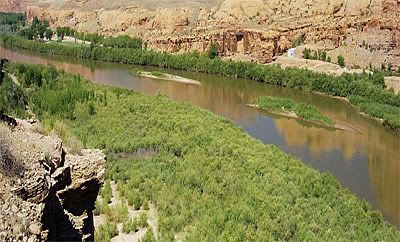
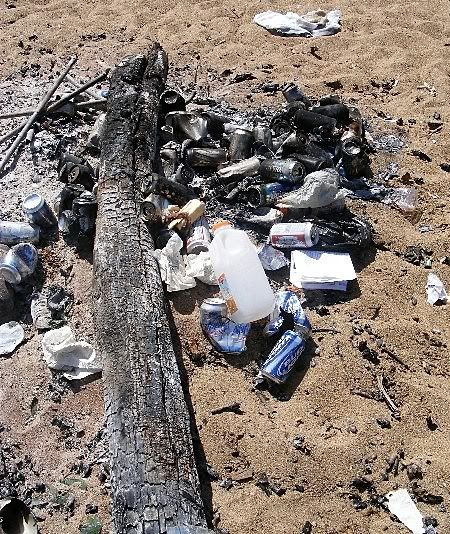
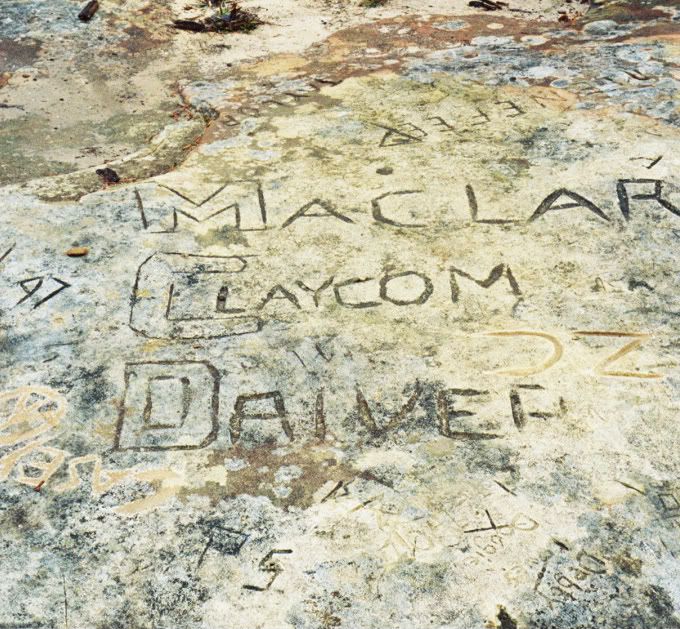
Having spent many weeks per year in the out-of-doors over the past several decades, I have seen a lot of recreation-related impacts. Some mild, some horrific. Some due to malicious intent, others due to ignorance. Over the past year I've seen a few impacts that have rivaled anything I've ever seen before. Big fires, serious erosion, invasive species, pet waste and litter. As with all impacts, it's not the one time someone builds a big fire or the one time someone leaves litter behind. It's the cumulative impact of people doing the same things over and over again that begins to add up and create serious problems.

What impacts have you seen?

A few pictures: tamarisk, an invasive species, along a river in Utah; impacts from a beach fire and graffiti carved in a rock slab: