Showing posts with label campfire. Show all posts

Monday, October 25, 2010

Tree Killing Pest


Photo courtesy of Patricia Douglass, USDA APHIS-PPQ

By now, you’ve probably heard a lot about the issue of invasive plants getting accidentally spread by outdoor equipment like dirty boots. And hopefully, you are aware of the issues surrounding water based invaders- things like zebra mussels- being accidentally brought to new bodies of water on contaminated fishing gear or boats. So I’m guessing you will easily connect the dots when I tell you about another way that outdoor enthusiasts need to minimize the chance that they spread invasive forest pests and diseases- by making sure not to move firewood when you travel.

It seems like a funny thing at first- wouldn’t it be best to bring wood with you to the frontcountry campsite, so you don’t deplete the natural wood on site? And yes, that is one part of minimizing your impacts. But the catch is that supplying your own firewood good idea only if the firewood is from a very local source, or alternatively treated at a high heat (like kiln dried). If the wood isn’t local, you could be bringing in a new tree killing pest- whether a non-native pest (like the emerald ash borer, or Asian longhorned beetle) or even a native pest that simply doesn’t normally occur in that specific location (like mountain pine beetle). And so your actions could end up killing millions of trees.

Firewood isn’t really dead, and it sure isn’t sterile. A cut piece of wood can carry thousands of insect eggs, millions of fungal spores, or even just a single adult insect filled with eggs ready to lay. Just looking at a piece of wood will tell you nothing about if it could start a pest infestation- these things are often invisible to the naked eye. All firewood should be considered potentially contaminated.

So what’s the answer? Like so many aspects of leaving no trace, you have different answers depending on where you are, and what you are doing.

  • If you are reading this, and looking out of your back porch in horror at a pile of wood you collected 200 miles away, burn it soon, burn it completely, and take care to rake up any bark or other debris and burn them too. The carbon you waste and release in this bonfire will be nothing in comparison to the potential millions of acres of dead and dying trees you could cause.
  • Planning your next trip? Are you willing to skip the campfire and go with a campstove? That’s the best option.
  • Can’t bear skipping the campfire and want to plan ahead? Call someone local (ranger station, campground manager) and find out who has locally cut wood in the area for sale. If the wood is local, it isn’t an invasive species threat.
  • If it is legal, and wood is plentiful, consider a smaller fire with only hand gathered wood. Make sure this is a responsible choice given local environmental conditions.
Thanks for reading. You can learn more at dontmovefirewood.org, a website dedicated to reducing the spread of non-native insects and diseases via education about the firewood threat.

Today's blog is brought to you by:

Leigh Greenwood
Coalitions and Networks Manager
The Nature Conservancy,
Forest Health Program
526 East Front Street, Missoula, MT 59802
lgreenwood@tnc.org
(406) 544 - 5099
mountain time zone

Wednesday, May 12, 2010

My Backyard: Responsible Campfire Relay

This past weekend a friend and I explored a new (to us) part of Colorado – North Park.

Situated in North Central Colorado, North Park touts many recreational claims to fame including the Moose-viewing capital of Colorado, as well as phenomenal fishing, hunting, camping and backpacking opportunities. The basin opens out northward into Wyoming, in the direction of flow of the North Platte. On the east side, it is rimmed by the Medicine Bow Mountains, the Never Summer Mountains and Rabbit Ears Range to the south, and the Park Range to the west. The continental divide rims the Park along the south and west. The best part of the area is probably the small population of recreationists (compared to many other parts of Colorado’s natural lands) that visit North Parks’ public lands. We did, however, come across this fire pit in the Routt National Forest on our second night of the trip.

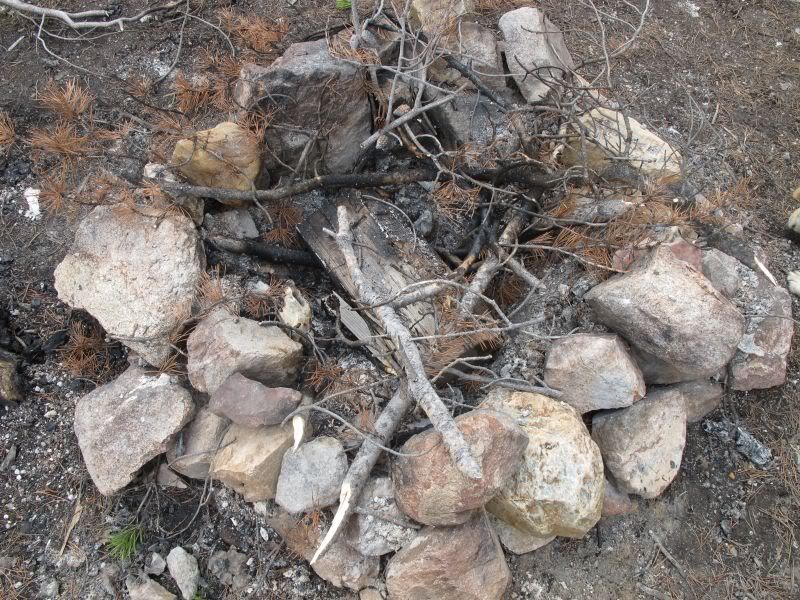
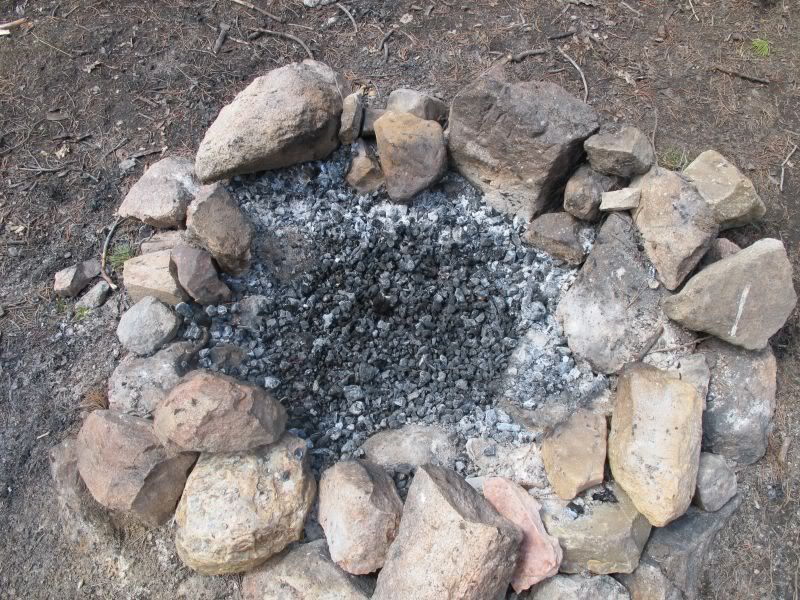
The previous campers had apparently overestimated the amount of firewood needed for their evening enjoyment. After confirming campfires were allowed, we decided that we would have a fire that night. First, we picked out all the aluminum cans, glass bottles and tin foil to pack out in our garbage. Next, we removed the branches and started a small fire with the mission of burning all the existing wood to ash (more information on campfires and campfire alternatives can be found here: http://www.lnt.org/programs/principles_5.php).

Here’s what the next person will find when they camp there:

Which would you rather find on your next camping trip?

Monday, November 17, 2008

What is the worst impact you've ever seen?

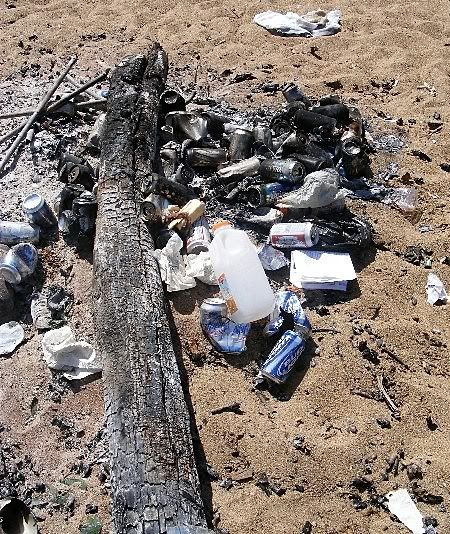
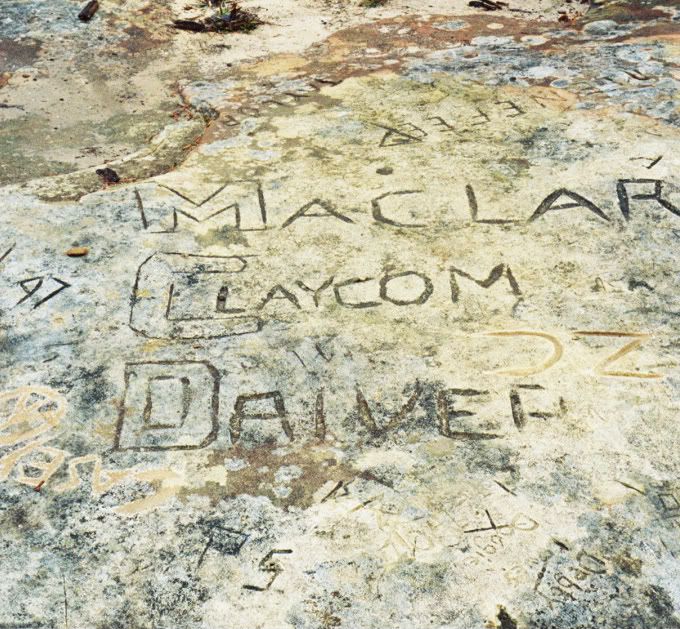
Having spent many weeks per year in the out-of-doors over the past several decades, I have seen a lot of recreation-related impacts. Some mild, some horrific. Some due to malicious intent, others due to ignorance. Over the past year I've seen a few impacts that have rivaled anything I've ever seen before. Big fires, serious erosion, invasive species, pet waste and litter. As with all impacts, it's not the one time someone builds a big fire or the one time someone leaves litter behind. It's the cumulative impact of people doing the same things over and over again that begins to add up and create serious problems.

What impacts have you seen?

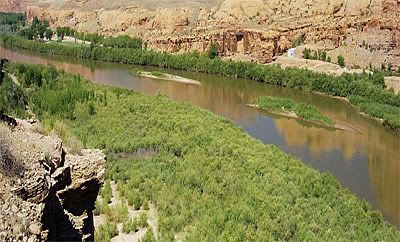
A few pictures: tamarisk, an invasive species, along a river in Utah; impacts from a beach fire and graffiti carved in a rock slab:


Monday, November 3, 2008

Traveling Abroad To Teach Leave No Trace


Over the past 4 years, I've had the good fortune to travel to Hong Kong, Canada, Scotland, Montenegro and Ireland (twice) to offer in-depth Leave No Trace training. While the travel is exciting and it's always great to see and get to know a new place, the best part of it for me is knowing that I'm making a difference for the future. The impacts seen in one country may be very different from the next. Regardless, there are always some impacts and most of which we can do something about. Whether it's learning how to effectively deal with human waste or secure food and trash from wildlife or building less impactful fires, the teaching of new skills is important. More important, however, is instilling an outdoor ethic that will (hopefully) grow over time, increasing peoples connection to the land. People protect what they know and care about, especially if they have the skills to do so. It's been very encouraging to see the Leave No Trace program to take root and grow around the globe. Maybe one day all people, worldwide, who enjoy the outdoors will do so in a responsible way that leaves a legacy to those that come after us.